

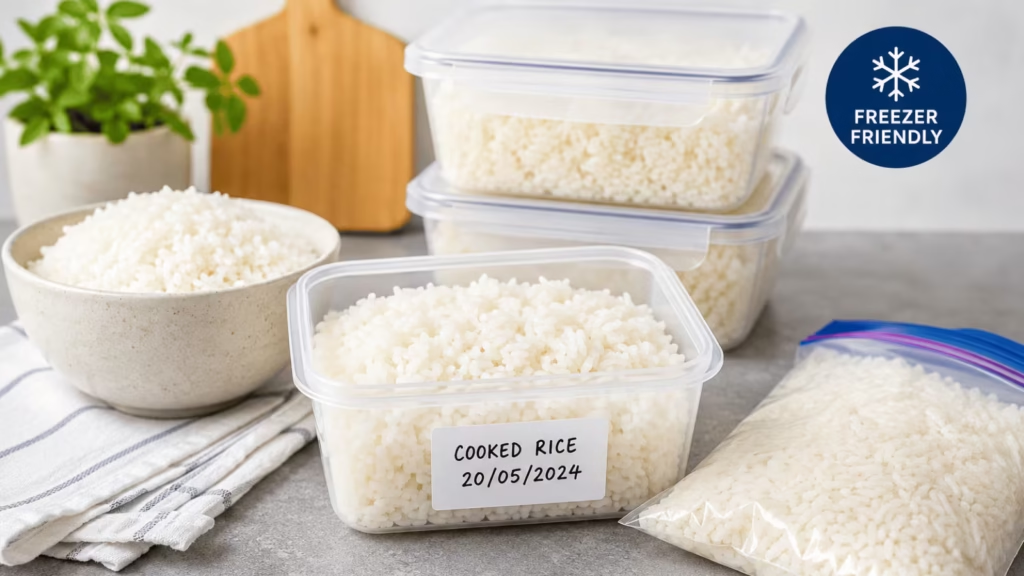
Cooking too much rice is something that happens to almost everyone. You follow the measurements, the pot fills up, and suddenly you have twice as much as you need. The question that follows is always the same: can you actually save it, and if so, how?
The good news is that cooked rice freezes very well. It is one of the most practical foods to keep in the freezer because it reheats quickly, works across dozens of meals, and holds up better than most people expect. The part that trips people up is not the freezing itself but the food safety steps around it. Cooked rice can cause food poisoning if it is stored incorrectly, and because the bacteria responsible are odourless and tasteless, you cannot always tell by looking at the rice whether it is safe.
This guide explains how to freeze cooked rice safely, how long it keeps at different storage temperatures, the right way to reheat it, how different types of rice behave in the freezer, and the simple habits that make the whole process work reliably.
Can You Freeze Cooked Rice?
Yes, and it works better than most people expect. White rice, brown rice, basmati, jasmine, and fried rice all freeze successfully. The process does not require any special equipment — just a container or bag that seals properly and a clear understanding of one key rule: cooked rice needs to be cooled quickly and moved into the freezer within one to two hours of cooking.
That time limit is not just a general guideline — it is a genuine food safety boundary. Cooked rice that sits at room temperature for too long becomes a health risk regardless of whether it looks or smells fine. The bacteria responsible for rice-related food poisoning produce toxins that are both odourless and heat-resistant, which means reheating unsafe rice does not make it safe again. Getting rice into the freezer quickly is what prevents the problem from starting in the first place.
According to the NHS and food safety agencies worldwide, cooked rice should be cooled and refrigerated or frozen within one hour of cooking wherever possible, and two hours is the absolute maximum safe window at room temperature.
Why Rice Needs Proper Storage
Rice has a reputation as a food that requires extra care when stored, and that reputation is well earned. The reason comes down to a bacterium called Bacillus cereus. Its spores are found naturally in soil and on grains including rice, and they survive the cooking process. When cooked rice cools slowly in a warm environment, those spores germinate, start multiplying, and produce toxins as a byproduct of that growth.
What makes this particularly tricky is that the toxins Bacillus cereus produces are heat-stable. Reheating rice to a high temperature will kill any live bacteria but will not break down the toxins that have already formed. This is why the standard advice to reheat food thoroughly until piping hot does not fully protect you if the rice was left out too long beforehand. The toxins are already present before the rice goes back into the microwave or onto the stovetop.
The good news is that the bacteria only multiply in what food scientists call the temperature danger zone, which is between 40°F and 140°F (5°C and 60°C). Keeping rice either cold in the refrigerator, frozen solid, or hot above 140°F (60°C) cuts off the conditions they need. Cool it fast, seal it well, and store it properly — that is the entire safety framework for cooked rice.
How to Freeze Cooked Rice Properly
The process takes only a few minutes and means you always have a ready portion in the freezer. Moving through each step promptly is the key — the goal is to get the rice from hot to frozen as efficiently as possible.
-
1
Cool the Rice Quickly
As soon as cooking is done, spread the rice out on a large baking sheet or divide it between several shallow containers rather than leaving it piled in the pot. A thick mound of rice in a deep pan stays warm for a very long time, holding the temperature in the bacterial danger zone far longer than necessary. Spreading it thin allows steam to escape and the temperature to drop to room temperature within about twenty to thirty minutes. For even faster cooling, some people rinse plain rice briefly under cold water in a colander, which works well for white or brown rice though it is less practical for seasoned or fried varieties.
-
2
Portion Into Serving Sizes
Once the rice has cooled to room temperature, divide it into individual or family-sized portions before freezing. This is one of the most practical habits you can build around freezing rice. It means you defrost only what you need for one meal, nothing gets wasted, and you are never in the position of thawing a large batch and having to deal with leftovers that cannot be safely refrozen. Think about how you normally use rice and portion accordingly — single servings for weekday lunches, larger portions for family dinners.
-
3
Pack Into Airtight Containers or Freezer Bags
Place each cooled portion into a freezer-safe airtight container or a zip-lock freezer bag. If using bags, press out as much air as possible before sealing. Air left inside the bag is what causes freezer burn — the dry, chalky patches that develop on the surface of frozen food over time and make the texture noticeably worse after reheating. Flattening bags before they go in the freezer also means they stack neatly, take up less space, and defrost more evenly when you need them.
-
4
Label With the Date
Write the date clearly on each container or bag before putting it in the freezer. Cooked rice all looks the same once frozen, and after a few weeks it becomes very hard to remember when something was made. Frozen cooked rice is at its best quality within one month and remains safe to eat for up to three months. A permanent marker or a piece of masking tape works well. Labelling takes seconds and saves you from guessing whether something buried at the back of the freezer is still worth eating.
-
5
Freeze Within One Hour of Cooking
Get the cooled, sealed rice into the freezer within one hour of it finishing cooking — two hours at the absolute outside. If rice has been sitting at room temperature for longer than two hours it should be discarded rather than frozen, regardless of how it looks or smells. There is no reliable way to detect whether Bacillus cereus toxins have formed by sight or smell, so the two-hour rule is the boundary you work within rather than something you try to judge case by case.
How Long Does Cooked Rice Last?
How long cooked rice stays safe and good quality depends entirely on how and where it is stored. The table below gives a clear overview of the recommended timeframes for each storage method.
| Storage Method | Recommended Time | Notes |
|---|---|---|
| Room temperature | Maximum 2 hours | Must be refrigerated or frozen after this point |
| Refrigerator (airtight container) | Up to 4 days | Cool within 1 hour, reheat until steaming hot throughout |
| Freezer (airtight container or bag) | 1 month for best quality, up to 3 months safely | Label with date, do not refreeze once thawed |
It is worth separating food safety from food quality here. Frozen rice that has been properly sealed and stored remains safe beyond one month, but the texture and flavour gradually deteriorate after that point. Using it within the first month gives the best eating experience. Rice kept for longer than three months in the freezer tends to become dry and bland even after being reheated with added moisture, so it is worth being honest about whether it is still worth eating at that stage.
How to Reheat Frozen Rice Safely
Reheating in a Microwave
The microwave is the quickest and most practical method for reheating frozen rice and it produces good results as long as you add a little moisture before heating. Rice loses water during freezing and if you microwave it dry it comes out hard and uneven. Add one to two tablespoons of water per portion before microwaving, cover the container loosely with a lid or a damp paper towel to trap steam, and heat on full power for two to three minutes depending on the portion size. Stir halfway through to distribute the heat evenly, then check that the rice is steaming hot all the way through the centre before eating.
There is no need to thaw frozen rice before microwaving. It can go straight from the freezer into the microwave, which is one of the most convenient things about keeping cooked rice frozen. A meal that would otherwise take twenty minutes to prepare from scratch is ready in about three.
Reheating on the Stovetop
Reheating rice on the stovetop takes a couple of minutes longer than the microwave but produces a slightly better texture, particularly for plain white or basmati rice that you want to come out separate and fluffy. Place the frozen rice in a saucepan with two to three tablespoons of water or stock per portion. Cover with a lid and heat over medium-low heat, stirring occasionally, until the rice is heated through and the liquid has been absorbed. The steam created by the water does the same job as the microwave cover, keeping the rice moist as it warms. Fried rice does particularly well reheated this way with a small amount of oil in place of water — it comes out very close to freshly made.
Can You Reheat Rice More Than Once?
No. Rice should only ever be reheated once. Each time cooked rice passes through the temperature danger zone between 40°F and 140°F (5°C and 60°C) — whether cooling down or warming back up — there is an opportunity for bacterial activity. Each additional cycle compounds the risk. This is exactly why portioning rice before freezing matters so much: you thaw only what you need for one meal, reheat it once, eat it, and any small amount left on the plate goes in the trash rather than back into storage. The Food Standards Agency advises that rice should not be reheated more than once.
Can You Freeze Different Types of Rice?
White rice is the most common type to freeze and it handles the process well. Long grain, short grain, and medium grain white rice all freeze and reheat to a texture that is very close to freshly cooked, especially when a little water is added during reheating.
Brown rice actually freezes particularly well. Many people find it holds its texture better after freezing and reheating than white rice does, likely because its denser grain structure is more resistant to the moisture changes that happen during freezing. It is also a type of rice that takes longer to cook, which makes batch cooking and freezing an especially practical approach — cook a large amount on the weekend and freeze it in portions to use throughout the week.
Basmati and jasmine rice both freeze successfully, though their fragrance fades slightly after freezing. Once used in a recipe or served alongside a sauce this is rarely noticeable, though if you eat either type plain you may find fresh rice has a more pronounced aroma.
Fried rice freezes very well, often better than plain rice, because the oil coating the grains helps protect against freezer burn and moisture loss. Reheat it in a pan or wok with a small splash of oil over medium-high heat, stirring frequently, for a result that tastes close to freshly cooked. This also works well for takeaway fried rice — portion it into bags as soon as it has cooled and freeze within two hours of receiving it, just as you would with home-cooked rice.
Common Mistakes When Freezing Rice
Leaving rice out too long before freezing is the most important mistake to avoid and the most common one. It is easy to cook rice as part of a larger meal, get busy with everything else, and forget about the leftover rice sitting in the pot. If it has been out for more than two hours, the safest decision is to discard it. It is frustrating but the alternative — eating rice that may have developed harmful toxins — is not worth the risk.
Freezing warm rice without spreading it out first is another issue. Putting a large, still-warm container of rice straight into the freezer raises the temperature inside the freezer, which can partially thaw neighbouring items, and the rice takes a very long time to freeze solid through the centre. Always cool to room temperature first.
Refreezing rice that has already been thawed is a mistake that significantly increases food safety risk. Once frozen rice has been defrosted it should be reheated and eaten, not returned to the freezer. Portioning before freezing is the practical solution that eliminates this situation entirely.
Poor sealing is what leads to freezer burn. Making sure all air is removed from bags before sealing, or using containers with a properly fitting airtight lid, makes a visible difference to the rice’s quality after even just a few weeks of frozen storage.
Reheating unevenly by not stirring halfway through microwaving, or not checking the temperature at the centre of the portion, means some rice is eaten warm while part of it remains cold. Always stir once during reheating and check the middle of the portion before eating.
How to Tell if Cooked Rice Has Gone Bad
A sour or unusual smell is the clearest sign that refrigerated rice has spoiled. Fresh cooked rice has a very mild, almost neutral smell. If the rice has developed any sharp, sour, or off odour when you open the container it should be discarded without tasting.
A slimy or sticky texture that was not there when the rice was freshly cooked is another sign of bacterial spoilage. Cooked rice grains should feel separate and slightly firm. A slimy coating on the grains means the rice is no longer safe to eat.
Visible mould — any fuzzy growth on the surface of the rice — means the entire container should go in the trash immediately. This is more common with refrigerated rice that has been stored for too long than with properly frozen rice, but it can happen if a container was not fully airtight.
With frozen rice, significant freezer burn shows up as white, dry patches across the surface of the rice after defrosting. This does not make the rice unsafe but the affected parts will be noticeably dry and flavourless. If the freezer burn is extensive throughout the portion it is often not worth eating.
Best Containers for Freezing Rice
Zip-lock freezer bags are the most space-efficient option for most households. They can be filled, flattened to about an inch of thickness, and stacked horizontally in the freezer like a file system. Choose bags specifically labelled for freezer use — standard food storage bags are thinner and allow more moisture to escape over time, which contributes to freezer burn.
Rigid airtight containers with snap-fit or screw-top lids are more durable and slightly easier to work with when reheating, since you can take the lid off and put the container straight into the microwave. Glass containers with airtight lids are a particularly good choice — they are durable, do not absorb odours, and can go from the freezer directly into the microwave without any need to transfer the rice to a different container first. Make sure any container you use is rated for freezer temperatures as some plastics crack when frozen.
Meal prep containers with individual compartments are useful if you are freezing rice alongside other components of a meal. These allow the rice and vegetables or protein to freeze and reheat together without mixing until serving.
Tips to Keep Frozen Rice Tasting Better
Portioning into single servings before freezing is the single most useful habit. It eliminates waste, removes any temptation to refreeze unused portions, and makes defrosting a specific amount genuinely effortless.
Adding a very small amount of water to the rice before sealing the bag — just enough to lightly moisten the grains — gives you a slight head start on moisture when reheating. The rice will not come out soggy from this small addition but it does mean less moisture loss during freezer storage.
Cooling rice as quickly as possible before freezing preserves texture as well as safety. Rice that cools slowly tends to clump more heavily before it is frozen and comes out stickier after reheating than rice that was spread out and frozen quickly while the grains were still relatively separate.
Using the oldest portions first by rotating your freezer stock ensures nothing sits forgotten for months. A simple system of placing newer bags at the back and pulling from the front keeps your frozen rice within the quality window without needing to think about it much.
Frequently Asked Questions
- Can cooked rice be frozen safely?
- Yes. Cooked rice can be frozen safely as long as it is cooled quickly after cooking and stored in airtight containers or freezer bags within two hours of cooking. The key food safety rule is never to leave cooked rice sitting at room temperature for more than two hours before refrigerating or freezing it.
- How long does cooked rice last in the fridge?
- Cooked rice stored in an airtight container in the refrigerator will last for up to four days. It should be cooled and refrigerated within one to two hours of cooking. Always reheat refrigerated rice until it is steaming hot all the way through before eating.
- Can you freeze rice after reheating it?
- No. Once rice has been cooked, frozen, thawed, and reheated, it should not be frozen again. Each time rice goes through a temperature change cycle it increases the risk of bacterial growth. Reheat rice only once and eat it straight away rather than refreezing it.
- Can frozen rice be microwaved directly?
- Yes. Frozen cooked rice can go straight from the freezer into the microwave without thawing first. Add a tablespoon or two of water, cover the container loosely, and heat on full power for two to three minutes, stirring halfway through. Make sure it is steaming hot all the way through before eating.
- Why is rice considered risky if stored badly?
- Uncooked rice naturally contains spores of Bacillus cereus, a bacterium that survives cooking. When cooked rice is left at room temperature, these spores can germinate and multiply rapidly, producing heat-resistant toxins that cause food poisoning. Refrigerating or freezing rice quickly after cooking stops this process entirely.
- Can you freeze takeaway rice?
- Yes, as long as it is frozen promptly. Takeaway or restaurant rice should be treated exactly like home-cooked rice. Transfer it to an airtight container or freezer bag as soon as possible, cool it quickly if still warm, and freeze within two hours. Reheat thoroughly until steaming hot all the way through before eating.
- Can brown rice be frozen?
- Yes. Brown rice freezes very well and many people find it holds its texture better than white rice after freezing and reheating. Store it in the same way using airtight containers or freezer bags and use within one to two months for the best flavour and texture.
Conclusion
Freezing cooked rice is safe, practical, and one of the more useful kitchen habits you can build when it comes to reducing food waste and saving time. The process comes down to a few consistent steps: spread the rice out to cool quickly after cooking, portion it into airtight containers or freezer bags with as much air removed as possible, label with the date, and get it into the freezer within one to two hours of cooking. Done this way, frozen rice keeps at good quality for up to a month and remains safe for up to three months.
Reheating safely is just as important as the initial storage. Adding a splash of water, covering to trap steam, stirring halfway through, and confirming the centre is genuinely hot before eating are the steps that make reheated rice both safe and enjoyable. Reheat rice only once — this is the rule that matters most for food safety and it applies whether the rice started in the refrigerator or the freezer.
The food safety side of storing rice sounds more complicated than it actually is in practice. Cool it fast, seal it well, label it clearly, reheat it once, and eat it the same day it is reheated. Four straightforward principles that make frozen cooked rice one of the most reliable and convenient things to keep on hand.