
Pillows are something most people wash far less often than they should, if at all. Over time they absorb sweat, body oils, dead skin cells, saliva, and moisture from breathing every single night. That buildup leads to yellowing, unpleasant smells, and a steady increase in dust mites and bacteria living inside the filling. A pillow that looks clean from the outside can be surprisingly dirty on the inside after just a few months of regular use.
The question many people have is whether pillows can actually go in the washing machine or whether they need special treatment. The honest answer is that it depends on the type of pillow. Most synthetic and feather pillows handle machine washing well. Memory foam and latex pillows are a different story entirely and need to be cleaned by hand. Getting this wrong can permanently damage an expensive pillow or leave it in a state where it never dries properly.
This guide covers which pillows can be washed in a washing machine, exactly how to wash and dry them safely, how often they should be cleaned, and how to keep them in good condition for longer.
Can You Wash Pillows in a Washing Machine?
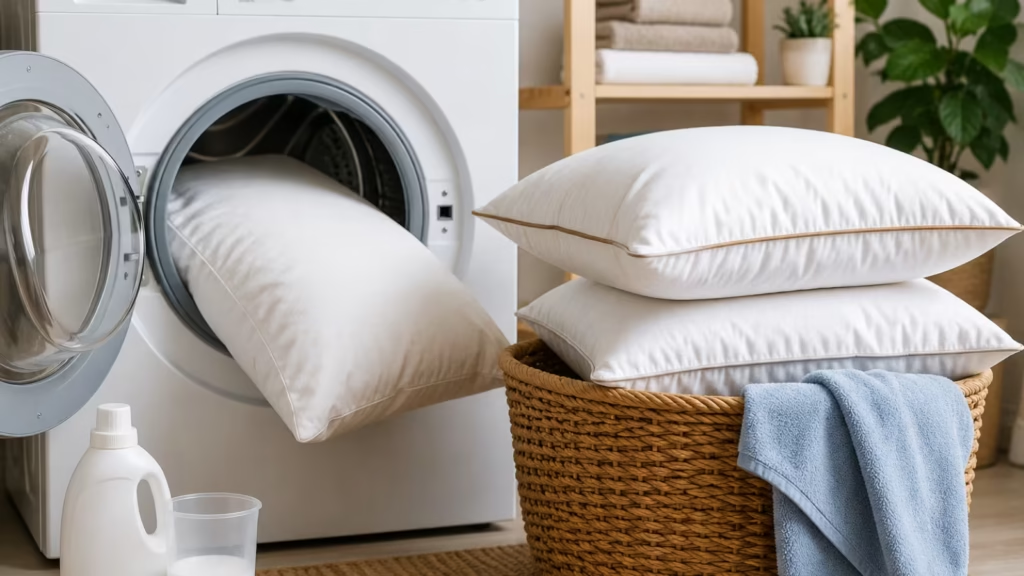
The short answer is yes for most types, but not all. Synthetic hollowfibre pillows and feather or down pillows can both go in the washing machine as long as you use the right settings and take care with drying. These are the most common types of pillow sold in the UK and they are designed to cope with occasional machine washing.
Memory foam pillows and solid latex pillows should never go in a washing machine. The agitation from the drum damages the foam structure and both materials absorb water so deeply that they become almost impossible to dry completely at home. A memory foam pillow that has been machine washed often ends up with mould growing in the centre even if the outside feels dry — similar to the problem that occurs with damp bedroom walls that do not dry out fully after cleaning.
The first thing to do before washing any pillow is to check the care label. Manufacturers test their products and the label will tell you the maximum wash temperature, whether machine washing is safe, and whether tumble drying is permitted. Ignoring the care label is the fastest way to ruin a pillow that might otherwise have lasted several more years.
Which Pillows Can Be Machine Washed?
Synthetic Pillows
Synthetic hollowfibre pillows are the easiest type to wash and the most forgiving. They are filled with polyester fibres and most are rated for machine washing at 40 degrees or sometimes 60 degrees on a gentle cycle. They dry relatively quickly compared to feather pillows and tend to hold their shape well after washing as long as you do not use high heat during drying. If your pillow feels flat, lumpy, or has developed a stale smell, a machine wash on a gentle cycle will usually restore it noticeably.
Feather and Down Pillows
Feather and down pillows can be machine washed but they need more care than synthetic ones. The natural oils in the feathers can be stripped by harsh detergents, and the filling tends to clump together during washing and drying if not handled correctly. A gentle cycle at 30 or 40 degrees with a small amount of mild liquid detergent is the right approach. The drying stage is particularly important for feather pillows because any remaining moisture inside can cause the feathers to develop a musty smell or even mildew, which is very difficult to shift once it takes hold. According to Good Housekeeping, feather pillows should be tumble dried on a low heat for at least two to three cycles to ensure they are fully dry.
Memory Foam Pillows
Memory foam pillows should never go in the washing machine under any circumstances. The spinning and agitation tears the foam apart from the inside and the dense structure absorbs water so thoroughly that even several hours in a tumble dryer will not dry it completely. The result is a pillow that smells damp, loses its supportive shape, and often develops mould in the core within days of washing. Memory foam pillows should be spot cleaned using a cloth dampened with a mild detergent solution, working gently on any stained areas, then left to air dry flat in a well-ventilated room away from direct heat.
Latex Pillows
Latex pillows share many of the same limitations as memory foam when it comes to washing. The material is sensitive to heat and mechanical stress, meaning the spin cycle can cause cracking and the heat from a dryer degrades the latex over time. Most latex pillows can be hand washed in lukewarm water with a very small amount of mild detergent, squeezed gently rather than wrung, and then laid flat to air dry. This process takes time but preserves the pillow properly. Check the care label as some latex pillows have removable, washable covers that can go in the machine while the core itself is hand-cleaned separately.
| Pillow Type | Machine Wash Safe? | Special Notes |
|---|---|---|
| Synthetic hollowfibre | Yes | Gentle cycle, 40°C, low heat drying |
| Feather and down | Yes, with care | Gentle cycle, 30–40°C, thorough drying essential |
| Memory foam | No | Spot clean only, air dry flat |
| Latex | No | Hand wash only, air dry flat away from heat |
| Bamboo or microfibre | Usually yes | Check care label, gentle cycle recommended |
How to Wash Pillows in a Washing Machine
For synthetic and feather pillows that are safe to machine wash, following the right process makes the difference between a pillow that comes out clean and refreshed and one that comes out misshapen or still smelling stale.
-
1
Check the Care Label
Before anything else, find the care label stitched into the pillow seam and read it carefully. It will confirm whether machine washing is safe, the maximum temperature, and whether tumble drying is allowed. If the label is missing or unreadable, treat the pillow as hand-wash only to be safe. Manufacturer instructions exist because different fillings and cover fabrics behave differently under heat and agitation, and skipping this step is one of the most common reasons pillows get damaged during washing.
-
2
Remove the Pillowcase and Protector
Take off the pillowcase and any pillow protector before washing. These should go in a separate load. While the cover is off, inspect the pillow itself for any small tears, worn patches, or loose seams. A tear that looks minor on a dry pillow can become a problem in the washing machine where the filling gets wet, heavy, and starts pushing through any weak point. A few stitches with a needle and thread before washing takes thirty seconds and saves a machine full of escaped feathers or fibres.
-
3
Wash Two Pillows Together
Always wash two pillows at the same time if possible. A single pillow in the drum can cause the machine to become unbalanced during the spin cycle, leading to loud thumping, the machine moving across the floor, or the spin cycle stopping partway through. Two pillows of similar size balance the load and also clean better because they move against each other as the drum rotates. If you genuinely only have one pillow to wash, add two or three medium-sized towels to balance the weight.
-
4
Use the Right Settings and Small Amounts of Detergent
Set the machine to a gentle or delicate cycle at 40 degrees Celsius for most washable pillows. Feather pillows do better at 30 degrees to protect the natural oils in the filling. Use roughly half the amount of liquid detergent you would normally use for a regular load. Pillows hold detergent in their filling much more readily than clothing, and excess detergent that does not fully rinse out leaves a residue that makes the filling stiff, attracts more dirt over time, and can cause skin irritation. A mild, fragrance-free liquid detergent is the best choice. Once the main cycle finishes, run an additional rinse to flush out any remaining detergent.
-
5
Dry Thoroughly Before Use or Storage
Tumble dry on a low heat setting with two clean tennis balls in the drum. The tennis balls bounce against the pillow as it rotates, breaking up any clumps in the filling and helping the pillow dry more evenly throughout. Check the pillow every thirty minutes by squeezing it firmly in the centre — any cool or damp feeling means it needs more time. Never use the pillow or store it until it is completely dry all the way through. The same principle applies here as it does when drying towels after washing — residual moisture left inside is what causes persistent bad smells and encourages mould to develop.
How to Dry Pillows Properly
Drying is the stage where most pillow washing goes wrong. A pillow that feels dry on the outside can still hold significant moisture deep in the filling, and that moisture creates ideal conditions for mould and bacteria to grow. According to the NHS, good sleep hygiene includes keeping bedding clean and fresh, and a properly dried pillow is a key part of that.
Drying Synthetic Pillows
Synthetic pillows dry reasonably well in a tumble dryer on a low heat setting and usually take between one and two hours depending on the size and thickness of the pillow. Avoid high heat as it can melt the synthetic fibres and cause the filling to clump permanently. If you do not have a tumble dryer, hang synthetic pillows over a clothesline or a drying rack in a warm, well-ventilated area and allow a full day of drying time, flipping them every few hours. Make sure the room has good airflow — a dehumidifier running nearby speeds things up considerably.
Drying Feather Pillows
Feather pillows take significantly longer to dry than synthetic ones because the natural filling is denser and holds more water. In a tumble dryer on low heat, expect two to three hours at minimum. Feather pillows clump heavily when wet, which is why the tennis ball trick is particularly important for this type. Remove the pillow from the dryer periodically, give it a firm shake to redistribute the filling, and then return it for another drying cycle. Even once the outside feels warm and dry, the centre can still hold moisture, so err on the side of an extra cycle rather than declaring it done too soon.
Why Tennis Balls Help in Dryers
Tennis balls in the tumble dryer are not a gimmick. As the drum rotates, the tennis balls hit the pillow repeatedly, which physically breaks apart the wet clumps of filling that form during washing. Without them, a feather or synthetic pillow can dry with large dense lumps throughout that never fully separate, leaving the pillow flat and uneven. Two clean tennis balls placed in a sock or a pillowcase before going in the dryer are enough to make a real difference. If you do not have tennis balls, dryer balls sold specifically for this purpose work equally well and last for years.
How Often Should You Wash Pillows?
Most people wash their pillowcases regularly but leave the pillow itself untouched for months or years. The problem is that pillowcases do not stop everything from getting through. Sweat and moisture pass through fabric overnight and accumulate in the filling over time, which is why pillows develop that yellow tinge and eventually a stale smell even when they have been covered consistently.
As a general rule, washable pillows should be cleaned every three to six months. If you sweat heavily at night, have allergies, or have been unwell, washing more frequently than that is a good idea. Using a pillow protector underneath the pillowcase adds an extra barrier that keeps the pillow itself cleaner for longer and reduces how often it needs a full wash. Pillow protectors are inexpensive, machine washable, and make a noticeable difference to how long a pillow stays fresh.
People with dust mite allergies may need to wash pillows more frequently and at higher temperatures — 60 degrees is the threshold at which dust mites are killed reliably. Check that your pillow’s care label permits this temperature before using it.
| Pillow Type | Recommended Washing Frequency |
|---|---|
| Synthetic hollowfibre | Every 3 to 4 months |
| Feather and down | Every 3 to 6 months |
| Memory foam | Spot clean as needed, air regularly |
| Latex | Hand wash every 6 months |
| Any type with pillow protector | Every 6 months (wash protector monthly) |
Signs Your Pillow Needs Washing
Yellow staining on the pillow cover is the most obvious sign. This discolouration comes from sweat and body oils soaking through the pillowcase over time and is a clear indication that the filling has absorbed a significant amount of residue that needs to be washed out.
A musty or stale smell that does not go away when you change the pillowcase is another strong signal. If you can smell the pillow itself when lying on it, it needs washing. Sometimes this smell is linked to moisture problems in the room itself — if your bedroom also has issues with condensation or damp, check out the guide on removing mould from bedroom walls as damp air in the room can accelerate how quickly pillows absorb moisture and develop odours.
Allergy symptoms that are worse at night or in the morning, such as sneezing, a runny nose, or itchy eyes, can indicate a high concentration of dust mites in your pillow. Dust mites feed on dead skin cells and thrive in the warm, humid environment of a pillow. Regular washing at the right temperature reduces their numbers significantly.
Flatness and a loss of support are also signs a wash might help, particularly with synthetic pillows. If the pillow folds in half and stays there rather than springing back, a wash and tumble dry can sometimes restore some of the loft to the filling, though very flat pillows may have simply reached the end of their useful life.
Common Pillow Washing Mistakes
Using too much detergent is probably the most widespread mistake. It feels logical that more detergent means a better clean, but with pillows the opposite is true. The filling holds onto detergent residue stubbornly and it requires multiple rinse cycles to flush out fully. Residue left behind makes the filling clump, attracts dirt more readily, and can cause skin irritation for people with sensitive skin. Half the recommended amount is usually plenty.
Washing memory foam in the machine is a mistake that many people make only once. The pillow comes out misshapen, soaking wet and impossibly heavy, and often develops a mildew smell within a few days even after attempting to dry it. Memory foam should always be cleaned by hand without submersion.
Not drying pillows fully before using or storing them is the other common error. The outside of a pillow dries much faster than the inside, giving a false impression that the job is done. Squeezing the pillow firmly in the centre after each drying cycle is the only reliable way to check whether the filling is truly dry throughout.
Using high heat in the dryer to speed things up damages both synthetic fibres and feather fillings. Synthetic fibres can melt and fuse together, creating permanent lumps, while high heat strips the natural oils from feathers and causes them to become brittle and clump. Low or medium heat with longer drying time always produces better results than trying to rush the process with high heat.
How to Keep Pillows Clean Longer
A pillow protector is the single most effective thing you can do to extend the life of a pillow and reduce how often it needs washing. These zip-up covers sit between the pillow and the pillowcase, blocking most of the sweat and oils that would otherwise soak into the filling. They are machine washable and can be cleaned monthly as part of a normal bedding wash, which keeps the pillow underneath in much better condition for much longer.
Airing pillows regularly also helps. Placing pillows outside in dry weather or near an open window for a few hours every couple of weeks allows moisture that has accumulated in the filling to evaporate naturally. This reduces the rate at which yellowing and odours develop between washes.
Washing pillowcases frequently — ideally every week as part of a regular bedding change — reduces the amount of sweat, skin oils, and product residue that builds up on the surface of the pillow. The cleaner the pillowcase, the less gets through to the filling underneath.
When storing spare pillows, make sure they are clean, completely dry, and stored in a breathable bag rather than sealed plastic. Plastic traps any residual moisture and can encourage mildew to develop over months of storage.
When Pillows Should Be Replaced
Even the best-cared-for pillow eventually needs replacing. A pillow that has lost its ability to spring back into shape after being folded in half is no longer providing the support it should. Poor neck support during sleep leads to stiffness and discomfort in the morning, and no amount of washing will restore a filling that has simply broken down with age.
A persistent smell that remains after washing is a sign that the filling has absorbed enough sweat and body residue over its lifetime that cleaning can no longer fully neutralise it. At this point, replacing the pillow is more hygienic and practical than continuing to wash it repeatedly.
Visible lumps or hard patches in the filling that do not break up after washing and tumble drying indicate that the filling has deteriorated beyond recovery. This is common in older synthetic pillows where the fibres have matted together permanently.
For people with allergies, even a well-washed older pillow can harbour enough accumulated allergens in the deepest layers of filling to continue causing symptoms. Replacing pillows every one to two years for synthetic types, or every three to five years for quality feather pillows, is the most reliable way to keep allergen levels under control alongside regular washing.
Frequently Asked Questions
- Can all pillows go in a washing machine?
- No. Most synthetic and feather pillows can be machine washed safely, but memory foam and latex pillows should not go in a washing machine. The agitation and water saturation can break down these materials and make them impossible to dry fully. Always check the care label before washing any pillow.
- Can memory foam pillows be machine washed?
- No. Memory foam should never go in a washing machine. The agitation breaks the foam apart and the foam absorbs so much water it becomes extremely difficult to dry fully, which leads to mould growing inside. Spot clean memory foam pillows with a mild detergent solution and allow them to air dry completely.
- How long do pillows take to dry?
- In a tumble dryer, synthetic pillows typically take one to two hours on a low heat setting. Feather pillows can take two to three hours or more. Air drying outdoors in warm weather can take a full day. The pillow must be completely dry all the way through before use or storage to prevent mould.
- Can wet pillows grow mould?
- Yes. A pillow that is not dried completely after washing can develop mould inside the filling within a day or two. The outside may feel dry while the centre is still damp. Squeezing the pillow firmly in the middle is the best way to check it is fully dry throughout before putting it back on the bed.
- Should pillows be washed in hot water?
- Generally no. Hot water can shrink fillings, damage fabric covers, and cause feather pillows to clump. A warm wash at 40 degrees Celsius is suitable for most washable pillows. Some synthetic pillows tolerate 60 degrees for allergy control, but always check the care label first.
- Why do pillows turn yellow?
- Pillows turn yellow from sweat, body oils, saliva, and moisture that soaks through the pillowcase over time. The yellowing shows the pillow has absorbed significant body residue and needs a proper wash. Using a pillow protector under the pillowcase significantly slows down yellowing and extends the life of the pillow.
- How often should pillows be replaced?
- Synthetic pillows typically last one to two years with regular washing. Feather and down pillows can last three to five years or longer with proper care. Memory foam pillows generally last two to three years. When a pillow no longer springs back into shape, has a persistent smell, or causes neck discomfort, it is time to replace it.
Conclusion
Whether you can wash pillows in a washing machine depends entirely on what they are made of. Synthetic and feather pillows handle machine washing well when you use the right settings, a gentle cycle at 40 degrees, a small amount of mild detergent, and an extra rinse cycle at the end. Memory foam and latex pillows should never go in the machine and need to be cleaned carefully by hand instead.
The washing itself is only half the job. Drying pillows completely is just as important as cleaning them, and the same logic applies whether you are dealing with pillows or towels — moisture left inside any absorbent material after washing is what leads to persistent smells and mould. Low heat tumble drying with tennis balls, checking the centre of the pillow for damp patches, and taking the time to dry fully rather than rushing are what separate a successful pillow wash from one that causes more problems than it solves.
Washing pillows every three to six months, using a pillow protector, airing them regularly, and replacing them when they lose their support are the habits that keep bedding genuinely clean and comfortable over the long term. A clean pillow makes a more significant difference to sleep quality and morning freshness than most people realise until they actually do it.