

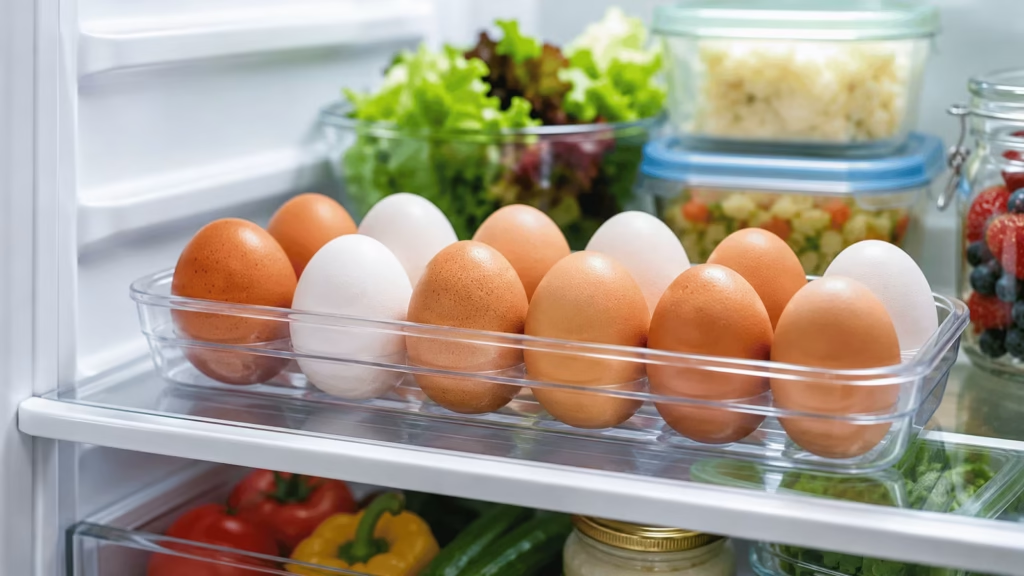
Eggs are one of the most universally used foods in the world. Whether you buy them weekly or pick them up from a local farm, the question of how long they actually stay safe in the fridge is something most people have wondered about at some point. The carton date gives you a starting point, but eggs often last longer than people expect — and sometimes they go bad sooner than expected too, depending on how they are stored.
What makes eggs a little more complicated than many other refrigerator staples is that the rules around storage vary depending on where you live and how the eggs were processed before they reached you. An egg sold in a supermarket in one country may need to be refrigerated immediately, while the same egg sold differently in another country can sit safely on a kitchen counter for weeks. Understanding the reason behind those differences helps make sense of the storage advice.
This guide covers how long eggs last in the fridge depending on their type and condition, how to store them properly to get the most out of them, the most reliable ways to check whether an egg has gone bad, and practical tips that apply regardless of where in the world you are.
How Long Eggs Last in the Fridge
Raw eggs in their shell, stored in a refrigerator at a consistent temperature, stay safe and good quality for three to five weeks from the date of purchase. In many cases they remain usable beyond that timeframe, but freshness and quality decline gradually and the risk of bacterial contamination increases as time goes on. The best-before or expiration date printed on the carton is the most practical reference point to work from.
Farm-fresh eggs that have been collected recently and still have their natural bloom — the protective coating laid on by the hen just before the egg is laid — can actually last a little longer than commercially processed eggs when handled carefully. That bloom seals the pores in the shell and slows moisture loss and bacterial entry. However, once that coating is washed off, as is standard practice in some countries, refrigeration becomes essential and the storage clock starts ticking from the moment of washing rather than the moment of laying.
Refrigeration works by slowing bacterial growth, particularly Salmonella, which is the primary food safety concern with eggs. At temperatures below 40°F (4°C), bacterial activity slows dramatically. This does not eliminate the risk entirely but it keeps eggs safe for a significantly longer period than room temperature storage would allow in most circumstances.
| Egg Type | Refrigerator Storage Time |
|---|---|
| Raw eggs in shell | 3 to 5 weeks from purchase date |
| Cracked raw eggs (in sealed container) | Up to 2 days |
| Hard boiled eggs (in shell) | Up to 1 week |
| Hard boiled eggs (peeled) | Up to 5 days in water or sealed container |
| Raw egg whites (sealed container) | Up to 4 days |
| Raw egg yolks (sealed container) | Up to 2 days |
| Cooked egg dishes | 3 to 4 days |
How to Store Eggs Properly
How you store eggs affects how long they stay fresh and safe. A few simple habits make a noticeable difference to how long your eggs last and how reliably good they taste when you use them.
-
1
Keep Eggs Refrigerated at a Stable Temperature
The refrigerator should be set to below 40°F (4°C) for safe egg storage. This is the temperature range at which bacterial growth slows to a safe rate. Consistency matters as much as the temperature itself — eggs that move repeatedly between cold and warm environments experience condensation on the shell surface, which can carry bacteria through the porous shell into the egg. Once eggs have been refrigerated, they should stay refrigerated until use. Avoid taking out more eggs than you need for a single session and returning the rest to the fridge.
-
2
Store Eggs in Their Original Carton
The egg carton is more useful than it might appear. It protects eggs from physical damage, slows moisture loss from the shell, and most importantly prevents the egg from absorbing odors from nearby foods in the fridge. Eggshells are porous — they can and do absorb smells from strong-scented foods like fish, onions, or pungent cheeses if stored too close. The carton also displays the best-before or expiration date, which is an important reference for tracking freshness. Avoid transferring eggs to the fridge door compartment or an open bowl, both of which increase exposure to temperature changes and odors.
-
3
Use a Middle Shelf, Not the Door
Fridge doors experience the most temperature fluctuation of any part of the refrigerator because they are exposed to warm air every time the fridge is opened. The middle shelves inside the fridge maintain the most stable, consistently cold temperature. Storing eggs on a middle shelf in their carton gives them the most stable environment and the longest practical shelf life. Many refrigerators have a dedicated egg tray on the door — it is convenient but not the best position for food safety.
-
4
Avoid Washing Before Storing
If you receive fresh eggs from a farm or market with their natural bloom coating still intact, do not wash them before putting them in the fridge. The bloom is a thin natural layer that seals the shell and protects the egg inside from bacterial penetration and moisture loss. Washing removes it permanently. If eggs need cleaning, wipe them with a dry cloth rather than rinsing with water. Commercially sold eggs in countries where washing is standard practice have already had their bloom removed and are safe to refrigerate without any action needed.
-
5
Check Before Using
Make a habit of cracking each egg into a separate small bowl before adding it to a pan or mixing bowl. This gives you a moment to check the smell and appearance before the egg becomes part of your dish. One spoiled egg cracked directly into a bowl of batter or a pan of other ingredients can ruin the entire meal. The extra few seconds this takes is a practical insurance policy, particularly when using eggs that are approaching or past their best-before date.
How to Tell if Eggs Have Gone Bad
The Smell Test
The smell test is the most reliable way to check whether an egg has spoiled. Crack the egg into a clean bowl and bring it close enough to smell. A fresh egg has virtually no odor. A bad egg has an immediate, unmistakable smell — typically a strong sulfur or rotten smell that is impossible to ignore. This smell is produced by hydrogen sulfide gas released as the egg breaks down, and it is detectable even in small amounts. If the egg smells off in any way, do not use it. There is no cooking method that neutralises the smell or makes a spoiled egg safe to eat.
The Float Test
The float test is a widely known method for checking egg age and it is genuinely useful, with some important limitations. Fill a bowl with cold water and gently lower the egg in. A fresh egg sinks to the bottom and lies flat on its side. As the egg ages, moisture inside evaporates through the porous shell and the air pocket at the wide end of the egg grows larger, making the egg progressively more buoyant. An egg that sinks but stands upright on one end is noticeably older. An egg that floats is quite old.
The important caveat is that floating does not automatically mean the egg is unsafe to eat. It means the egg is old and has lost significant moisture. Some floating eggs still smell fine and are perfectly usable, particularly for baking where very fresh eggs are not strictly necessary. The float test tells you about age, not about bacterial contamination. Always follow up with the smell test after cracking, regardless of what the float test indicates. According to the US Food and Drug Administration, smell and visual checks remain the most practical indicators of egg safety for home use.
Visual Signs of Spoilage
Once an egg is cracked open, there are visual signs to look for beyond the smell. A fresh egg white is clear to slightly cloudy and holds its shape reasonably well. A spoiled egg white may appear watery, discoloured, or pink-tinged, which can indicate bacterial contamination. The yolk should be round, firm, and yellow to orange in colour. A flat, runny yolk in an otherwise uncracked egg is a sign of age rather than spoilage, but a discoloured or oddly textured yolk combined with an off smell should lead you to discard the egg.
On the outside, any egg with visible cracks should be used immediately or stored in a sealed container and used within two days — never left in the fridge cracked in its shell. Any egg with unusual spots, a powdery coating, or a slimy feel to the shell should be discarded without cracking.
How Long Hard Boiled Eggs Last in the Fridge
Hard boiled eggs have a shorter refrigerator life than raw eggs in their shell, which surprises many people. The reason is that boiling removes or compromises the natural protective layers on the shell, making the egg more vulnerable to absorbing bacteria and odors from the environment. Hard boiled eggs in their shell last up to one week in the refrigerator. Peeled hard boiled eggs, which have lost that additional layer of protection entirely, should be used within five days and stored either in a sealed container or submerged in cold water that is changed daily.
It is worth labelling hard boiled eggs if you store them alongside raw eggs, since they look identical from the outside. A simple pencil mark on the shell or a separate labelled container makes it easy to tell them apart and keeps track of when they were cooked.
Hard boiled eggs should not be left at room temperature for more than two hours. This applies whether they are at a picnic, a buffet, or simply sitting on the kitchen counter while you prepare other parts of a meal. The same temperature danger zone that applies to other cooked foods — between 40°F and 140°F (4°C and 60°C) — applies to hard boiled eggs.
Can You Freeze Eggs?
Raw eggs in their shell should never be frozen. The liquid inside expands as it freezes, which cracks the shell and creates an entry point for bacteria when the egg thaws. Even if the shell does not crack visibly, the texture of both the white and yolk changes significantly after freezing in the shell and the result is generally unpleasant to cook with.
However, eggs can be frozen successfully once removed from the shell. The most practical method is to crack and lightly beat whole eggs together as if you were about to scramble them, then pour the mixture into a freezer-safe airtight container or ice cube tray. Once frozen solid in the tray, transfer the cubes to a labelled freezer bag. Frozen beaten eggs keep well for up to three months and work very well in baking, scrambled eggs, and omelettes after thawing overnight in the fridge.
Egg whites freeze particularly well and are worth freezing if you regularly use only yolks in a recipe. Pour separated egg whites into a clean freezer-safe container, label with the quantity and date, and freeze for up to three months. Egg yolks are trickier — they become thick and gel-like after freezing unless you add a small amount of salt or sugar before freezing, which helps maintain their texture. Add a pinch of salt per four yolks if they will be used in savoury dishes, or a small pinch of sugar if they are for baking. Similar to the approach with freezing cooked rice, labelling with the date and contents is the habit that makes frozen ingredients genuinely useful rather than a source of confusion weeks later.
What Happens if You Eat Bad Eggs?
Eating a spoiled or contaminated egg can cause food poisoning. The most common concern with eggs is Salmonella, a bacterium that can be present both on the shell surface and, in some cases, inside the egg itself if the hen carrying the infection laid it. Salmonella does not change the smell, taste, or appearance of an egg, which is what makes egg handling guidelines important even when eggs seem fine.
Symptoms of Salmonella infection typically appear six to seventy-two hours after eating contaminated food and include stomach cramps, diarrhea, nausea, vomiting, and fever. Most healthy adults recover without medical treatment within four to seven days, but the illness can be more serious for young children, elderly people, pregnant women, and anyone with a weakened immune system. The World Health Organization lists Salmonella as one of the most common causes of foodborne illness worldwide.
The practical takeaway is straightforward: store eggs properly, check them before using, cook them thoroughly when serving vulnerable people, and do not take chances with eggs that smell or look unusual.
Common Egg Storage Mistakes
Leaving eggs out on the counter for extended periods is one of the most common mistakes, particularly after grocery shopping when putting everything else away first. In countries where refrigeration is required after washing, eggs left at room temperature for more than two hours should ideally be refrigerated immediately. Even in countries where room temperature storage is normal, eggs that have been refrigerated at any point should not be left out, as condensation on the shell surface when moving from cold to warm can introduce bacteria.
Storing eggs in the fridge door compartment is a mistake many people make simply because that is where the designated egg shelf sits. The door is the warmest and most temperature-variable part of the fridge. Middle shelves provide significantly more stable conditions and make a practical difference to how long eggs stay fresh, especially toward the end of their storage window.
Using cracked eggs without checking them carefully is a food safety risk. A cracked shell removes the physical barrier that protects the egg from bacteria. A cracked egg found in the carton at home should be transferred to a clean sealed container and used within two days, not stored as-is. Any egg that was cracked before purchase and has been sitting in its shell for an unknown amount of time should be discarded.
Ignoring the expiration date entirely and assuming eggs are fine as long as they look normal is also a mistake, particularly for people in higher-risk groups. The date on the carton exists for a reason. It is not a guarantee that eggs are unsafe the day after, but it is a meaningful guide that reflects both safety and quality standards.
Do Eggs Last Longer in Some Countries?
Yes, and the reason comes down to how eggs are processed before they reach the consumer. In countries like the United States, Canada, and Australia, eggs are commercially washed and sanitized before sale to remove bacteria from the shell surface. This washing is effective at removing surface contamination but it also strips away the natural bloom, making the shell more porous and leaving the egg dependent on refrigeration to stay safe.
In many European countries, Japan, and other regions, eggs are not routinely washed before sale. The natural bloom is left intact, which allows eggs to be stored at room temperature safely for two to three weeks. These eggs can also be refrigerated, but the requirement is not as immediate or strict as it is for washed eggs.
This is why storage advice for eggs appears to vary so much depending on where you read it. Neither approach is inherently safer than the other — they are simply different systems with different requirements at the consumer end. The key principle that applies everywhere is consistency: if your eggs have been refrigerated, keep them refrigerated. If they have never been refrigerated and still have their bloom, room temperature storage is fine until that coating is compromised.
Tips to Keep Eggs Fresh Longer
Stable refrigerator temperatures are the single most important factor. Eggs stored at a consistent 35°F to 40°F (2°C to 4°C) last significantly longer than those kept in variable conditions. If your fridge runs slightly warmer than recommended, check the temperature setting — a simple adjustment can meaningfully extend how long a range of foods including eggs stay fresh.
Keeping eggs in their original carton rather than transferring them to other containers does more than most people realize. The carton limits exposure to air and odors, reduces moisture loss from the shell, cushions the eggs from minor bumps, and keeps the expiration date visible without having to remember it separately.
If you have a lot of eggs approaching their best-before date, use them in baking rather than discarding them. Older eggs work just as well as fresh ones in cakes, bread, cookies, and most baked goods. The slight change in texture that comes with age matters much more in dishes where eggs are the star — soft-poached eggs or a delicate custard — than in something where they are a background ingredient.
Minimising condensation by not leaving eggs out of the fridge for longer than necessary keeps the shell surface dry and reduces the risk of moisture carrying bacteria through the pores. If you bring eggs in from a cold environment, let the entire carton warm gradually rather than placing individual eggs on a warm surface immediately.
Frequently Asked Questions
- How long do eggs last in the fridge?
- Raw eggs in their shell kept in the refrigerator stay safe and good quality for three to five weeks from the date of purchase. Hard boiled eggs last up to one week in the fridge. Cracked raw eggs stored in a sealed container should be used within two days. Always check the best-before date on the carton as a starting point.
- Can eggs go bad in the fridge?
- Yes. Refrigeration significantly slows the rate at which eggs spoil but it does not stop the process entirely. Eggs stored beyond their recommended timeframe or kept at inconsistent temperatures can develop bacterial contamination, off odors, and changes in texture. Always check for signs of spoilage before using eggs that have been stored for a while.
- How can you tell if eggs are bad?
- The most reliable method is the smell test. Crack the egg into a clean bowl before using it. A bad egg will have a distinctly unpleasant sulfur or sour smell immediately. You can also use the float test: place the egg in a bowl of cold water. Fresh eggs sink and lie flat. Eggs that stand upright or float are older and should be smell-tested carefully before use.
- Are floating eggs always bad?
- Not necessarily unsafe, but noticeably older. As an egg ages, moisture evaporates through the porous shell and the air pocket inside grows larger, causing the egg to float. A floating egg is not automatically inedible but it should be cracked open and smell-tested before use. If it smells fine it may still be usable, though not at peak freshness.
- Can boiled eggs be frozen?
- Hard boiled egg whites do not freeze well — they become rubbery and watery after thawing. Hard boiled yolks can be frozen successfully. Cook until fully set, cool completely, then freeze in a sealed container for up to three months. For most situations, refrigerating hard boiled eggs in their shell and using within one week is the more practical approach.
- How long do cracked eggs last?
- Raw cracked eggs should be transferred to a clean airtight container immediately and used within two days. The shell acts as a protective barrier against bacteria, so once it is cracked that protection is gone. Never store cracked eggs in the shell or leave them uncovered in the fridge.
- Can eggs be stored at room temperature?
- It depends on how the eggs were processed. In many European countries, eggs are sold unwashed with the natural protective bloom intact, which allows safe room temperature storage for a few weeks. In countries like the United States and Australia, eggs are washed before sale, which removes that coating and makes refrigeration necessary. Once an egg has been refrigerated it should stay refrigerated.
Conclusion
Eggs are a straightforward food to store well once you understand the basics. Raw eggs in their shell kept in a consistently cold refrigerator stay safe and good quality for three to five weeks. Hard boiled eggs last up to a week. Cracked raw eggs need to be used within two days. Keeping eggs in their original carton on a middle shelf, away from the fridge door and strong-smelling foods, is the approach that gets the most out of them.
Checking eggs before use is the simplest and most reliable food safety habit you can build around eggs. Cracking each egg into a separate bowl and doing a quick smell check takes seconds and prevents a spoiled egg from ruining a dish. The float test is a useful supplementary check for age, but the smell after cracking is always the definitive test for safety.
Whether eggs need to be refrigerated or can be kept at room temperature depends on how they were processed before you bought them, which varies by country. The universal principle is consistency — whichever storage method is appropriate for your eggs, stick to it and do not move them back and forth between temperature environments. Store them properly, check them before using, cook them thoroughly when serving people who are more vulnerable to foodborne illness, and they will serve you well.